
BLOG
here you’ll find reflections, advice, and personal insights centered around mental health and self-growth in college and early adulthood.
posts are written to be relatable, supportive, and realistic for everyday life.
browse all posts below or filter by category to find what you need most right now.

3 Mental Health Habits Every Overwhelmed College Student Needs (That Actually Work)
FEBRUARY 17, 2026 | KATE GOREY
College is supposed to be “the best years of your life.” But for many of us, it feels more like constant deadlines, work shifts, financial stress, and trying not to burn out before midterms.
If you’re juggling classes, a job, relationships, and your future all at once, this post is for you. These aren’t unrealistic self-care routines that require hours of free time. These are simple, doable mental health habits that fit into your real life.
1. Schedule “Non-Negotiable” Reset Time
You schedule classes. You schedule work. You schedule meetings.
But do you schedule time to reset?
Even 20 minutes a day to walk, journal, stretch, or sit without your phone can lower stress and help your brain recover. When everything feels urgent, your nervous system stays in fight-or-flight mode. Reset time tells your body you’re safe.
Treat this time like a class you can’t skip. Because your mental health is just as important as your GPA.
2. Stop Romanticizing Burnout
Pulling all-nighters and running on caffeine might feel productive. But chronic stress affects memory, mood, sleep, and even physical health.
Burnout doesn’t make you strong. It makes you exhausted.
Instead of asking, “How much can I handle?” try asking, “What can I realistically sustain?” Sustainable success > temporary survival mode.
You deserve balance, not just survival.
3. Talk Before You Explode
Stress builds quietly. Then suddenly, you snap, cry, or shut down.
Talking early — to a friend, family member, mentor, or campus counselor — prevents emotional overload. You don’t need a full breakdown to “qualify” for support.
You’re allowed to struggle.
You’re allowed to ask for help.
And you’re definitely not the only one feeling this way.
Final Thoughts
If no one has told you this lately: you are not behind. You are not failing. And feeling overwhelmed doesn’t mean you’re weak — it means you’re human.
Start with one habit. Not all three. One.
Your mental health isn’t a luxury. It’s the foundation that makes everything else possible.



7 Simple Mental Health Habits Every College Student Should Practice
FEBRUARY 13, 2026 | KATE GOREY
College can be exciting — but it can also be overwhelming. Between deadlines, jobs, friendships, and future plans, your mental health can easily fall to the bottom of your priority list. The truth?
Protecting your mental health isn’t selfish — it’s essential. Here are seven simple, realistic habits that make a big difference..
1. Start Your Day Without Your Phone
Before opening Instagram or email, give your brain a few quiet minutes. Research from the American Psychological Association shows that constant digital stimulation increases stress and anxiety. Try stretching, journaling, or simply sitting in silence before scrolling.
2. Move Your Body (Even for 10 Minutes)
Exercise doesn’t have to mean an intense workout. A short walk, yoga flow, or quick workout can boost mood and reduce stress. According to the Centers for Disease Control and Prevention, regular physical activity improves both mental and emotional health.
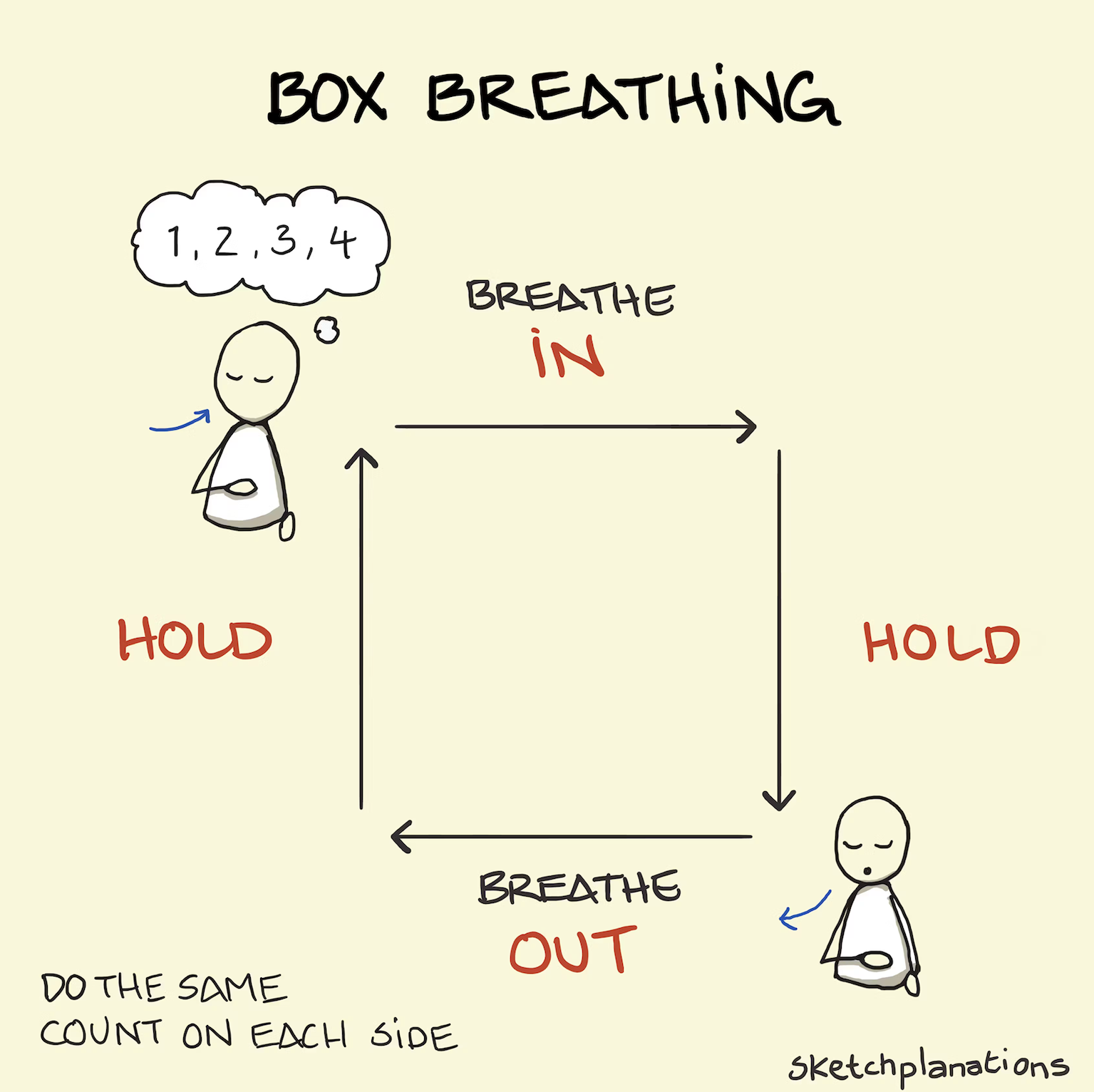
3. Practice Box Breathing
When anxiety spikes, try box breathing — inhale for four counts, hold for four, exhale for four, hold for four. Techniques like this are recommended by organizations such as the National Institute of Mental Health to regulate stress responses.
4. Protect Your Sleep
Late-night study sessions may feel productive, but chronic sleep deprivation increases anxiety and depression risk. The Sleep Foundation recommends 7–9 hours for optimal mental health.
5. Talk to Someone - Early
Don’t wait until you’re overwhelmed. Many campuses offer free counseling services, and resources like Active Minds help students find support and reduce stigma.
6. Limit Comparison on Social Media
Social comparison can quietly damage self-esteem. Studies highlighted by the Mayo Clinic show that excessive social media use is linked to increased feelings of depression and anxiety.
7. Create One Non-Negotiable Joy Ritual
Choose one small daily ritual — morning coffee alone, sunset walks, music in your car. Protect it. That consistency signals safety and stability to your nervous system.
Final Thoughts
Mental health isn’t built in one breakthrough moment — it’s built in small daily choices. You don’t need to overhaul your life overnight. Start with one habit this week and build from there.
Your future self will thank you.






Mental Health and Self-Growth: A Student Guide to Becoming Your Best Self
FEBRUARY 06, 2026 | KATE GOREY
College life can feel overwhelming. Between classes, work, social life, and future plans, it’s easy to feel stressed, anxious, or stuck. Mental health and self-growth are important topics for students because they affect how we think, feel, and live every day.
This post is a complete guide to understanding mental health, improving personal growth, and building habits that help you feel more confident, motivated, and balanced.
What Is Mental Health?
Mental health refers to your emotional, psychological, and social well-being. It influences how you handle stress, relate to others, and make choices. Mental health is important at every stage of life, but especially during college when students face new responsibilities and pressures.
Some key parts of mental health include:
Emotional well-being (how you manage feelings like happiness or sadness)
Psychological well-being (how you think and cope with challenges)
Social well-being (how you interact with friends, family, and classmates)
What Is Self-Growth?
Self-growth (or personal development) is the process of improving yourself over time. It involves learning new skills, setting goals, building confidence, and becoming more self-aware.
Examples of self-growth include:
Developing healthy routines
Learning time management skills
Improving communication and relationships
Building confidence and self-esteem
Self-growth is not about being perfect—it’s about becoming better than you were yesterday.
Why Mental Health and Self-Growth Matter for Students
College students often face academic stress, financial pressure, and social challenges. When mental health is ignored, it can lead to burnout, anxiety, or depression.
Focusing on self-growth and mental health can help students:
Reduce stress and anxiety
Improve grades and focus
Build stronger relationships
Feel more confident about their future
Common Mental Health Challenges
1. Stress and Burnout
Balancing school, work, and personal life can cause exhaustion and lack of motivation.
2. Anxiety
Students often worry about grades, money, relationships, and future careers.
3. Low Self-Esteem
Social media and comparison can make students feel insecure or not good enough.
Ways to Improve Mental Health
1. Practice Mindfulness and Breathing
Mindfulness helps you stay present and calm. Simple breathing exercises or meditation can reduce anxiety.
2. Build a Healthy Routine
Having a routine helps create structure. Try to include sleep, meals, exercise, and study time in your schedule.
3. Talk About Your Feelings
Talking to friends, family, or counselors can help you feel supported. You are not alone.
Tips for Self-Growth
1. Set Small Goals
Instead of big overwhelming goals, start with small steps like studying for 30 minutes or journaling once a day.
2. Learn From Mistakes
Mistakes are part of growth. Use them as learning experiences instead of judging yourself.
3. Invest in Yourself
Read books, take classes, learn new skills, or try hobbies that make you happy.
How Mental Health and Self-Growth Connect
Mental health and self-growth work together. When you improve your mental health, you have more energy to grow. When you focus on self-growth, you build confidence and resilience that improve your mental health.
Think of it as a cycle:
Better mental health → More growth → More confidence → Better mental health
Mental health and self-growth are lifelong journeys, not one-time goals. College is the perfect time to start learning about yourself, building healthy habits, and becoming the person you want to be.
By practicing mindfulness, setting goals, and taking care of your mental health, you can feel more balanced, confident, and ready for the future.